English
 日本語
日本語 简体中文
简体中文

Rugged cameras with high image quality under extreme outdoor conditions
Strong partnerships play a crucial role in developing high performance products. Since 1992 we have been a reliable partner for leading OEMs in several markets. Those in the Global Security arena use our expertise and knowledge to develop powerful electro-optical systems that improve performance, again and again.
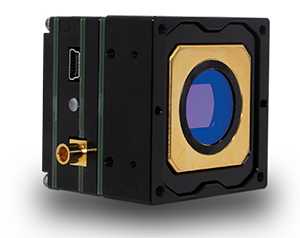 The TMX-12s/CXP6-S2020 SWIR camera is designed to help improve long-range observation and situational awareness systems
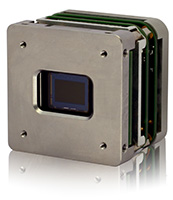 The TMX series utilizes state-of-the-art global shutter CMOS image sensors that expand the capabilities of daylight cameras into low light.